World Wildlife Fund: Conservation Tech - Putting AI to Work for Wildlife
by WORLD WILDLIFE FUND INC
Wildlife and nature need us now more than ever. Since 1950, the average wildlife population has decreased by 73%. Habitat destruction, water scarcity, ocean pollution, and increasing impacts of climate change require us to think differently about our relationship to nature and how we reverse these impacts. WWF applies this approach to our work to leverage advanced technologies that achieve greater impact than has been witnessed in past decades.
WWF uses cutting-edge tools and innovative technology to monitor and protect wildlife, wild places, and nature. From anti-poaching strategies to wildlife monitoring, AI tools and eDNA, WWF leverages technology to achieve results at the scale we need to address the challenges we face today.
WILDLIFE INSIGHTS
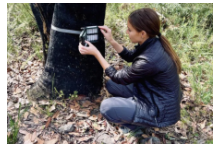
Each year, WWF scientists and field staff install thousands of camera traps, cameras equipped with infrared triggers, providing an unequaled view into the habits and habitats of wildlife populations. Millions of photos are collected every day, most of which were previously never used or shared due to the time-consuming and painstaking process of analysis. Together with conservation and technology partners, WWF developed the world’s largest camera trap database equipped with AI technology that automatically identifies hundreds of wildlife photos in minutes, as compared to weeks or months. With access to reliable and timely information on wildlife, scientists, land managers, and other stakeholders can anticipate threats, understand where and why wildlife populations are changing, and take action to protect our most endangered species.
ENVIRONMENTAL DNA
WWF uses eDNA technology to study the ecology and biodiversity of a geographic area by analyzing eDNA traces that determine the species living in a given habitat. Traditional camera traps and aerial surveys are time-intensive and costly, but samples of soil, water, snow, or even air, carry the genetic code of tens, maybe hundreds of animals. A single sample can identify endangered species to insects, plants, and even viruses and bacteria, and helps us study the impacts of climate change and assess the overall health of aquatic and terrestrial ecosystems.
WILDLIFE CRIME TECHNOLOGY
Poaching is the leading threat to many of Africa’s most iconic species. Over the last decade, an estimated $23 billion global black market has emerged for illegal wildlife products like rhino horn and elephant ivory. Innovative technologies like UAVs and virtual radar-fences to thermal cameras increase monitoring capabilities, using machine learning for automated poacher alerts. And IoT networking enables data communication across remote, protected areas, nations, and cross-border for coordinated response.
EYES ON RECOVERY
After the devastating Australian bushfires of 2019-2020 that destroyed 24.7 million acres of land and killed or injured 3 billion animals, it was unclear if or when the ecosystems would recover. WWF and partners launched the most extensive post-fire monitoring program ever initiated in Australia. More than 1,100 camera traps have generated over 7 million images that are analyzed by Wildlife Insights to monitor species and their recovery. The data has helped identify where artificial structures could be installed to provide wildlife safety in the absence of trees, and drone-delivery of food sources in remote areas.
PLEASE DONATE TODAY
Be the voice that nature so desperately needs. Your support powers WWF’s work around the world to fight climate change, restore our forests, oceans and freshwater, end poaching and online wildlife trafficking, and eliminate plastic pollution.
Your donation will support WWF’s global conservation work.